Why Your Toilet Keeps Running
Three faults inside the cistern sit behind nearly every toilet keeps running complaint: an inlet valve that never closes, a seal dripping water into the pan, and a fill level set past the overflow. Most of the time the repair is a small one, and every job is done by a licensed plumber.
If we're late, $100 comes off your bill

- Licensed and InsuredEvery job done by a licensed plumber. QBCC No: 15024607
- Fixed Quote FirstFlat-rate pricing, agreed before any work starts
- Lifetime Labour WarrantyBacked by our Fix-It-or-It's-Free guarantee (T&Cs apply)
- $0 Call-Out FeesNo extra charge for nights, weekends or public holidays
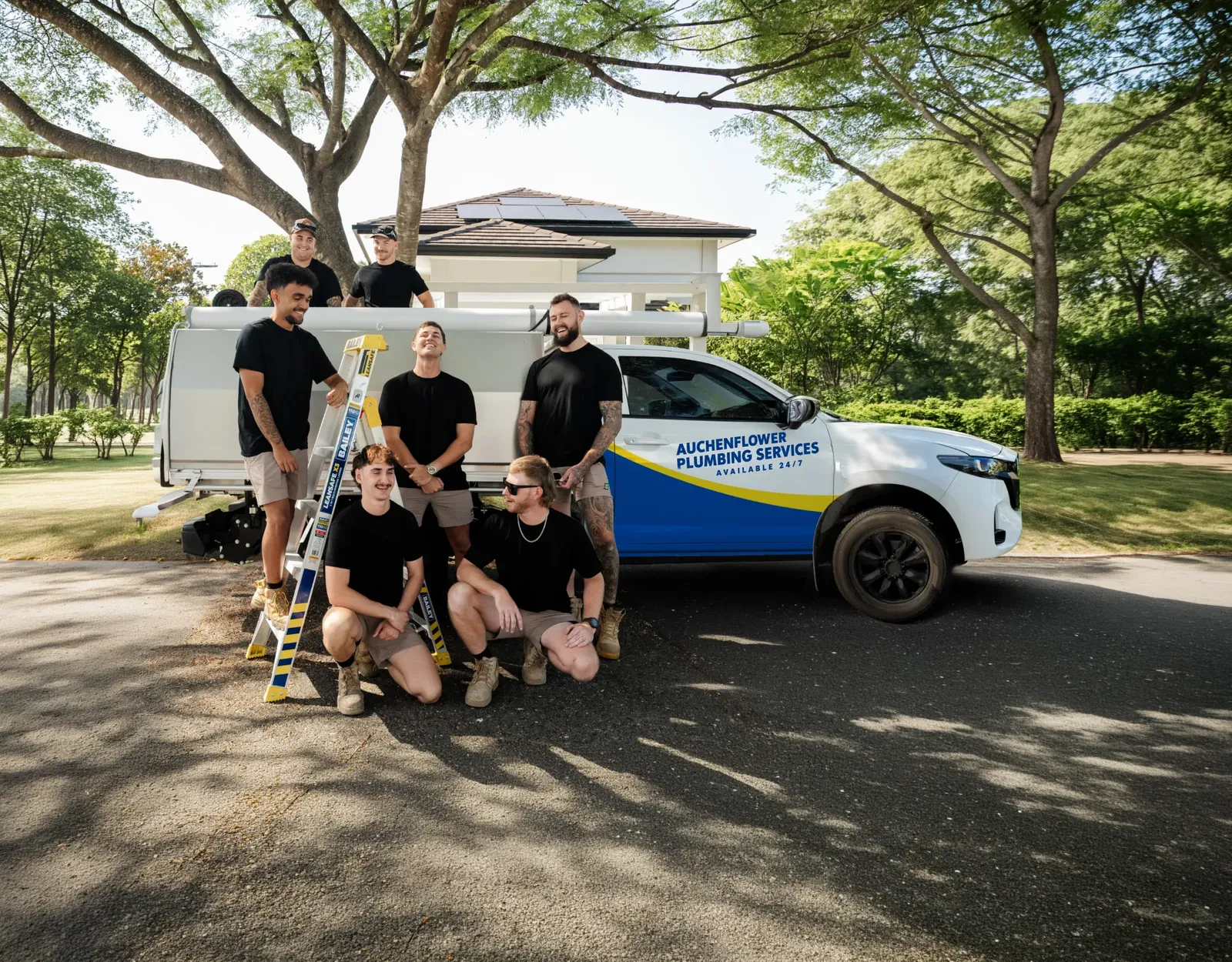
Auchenflower Plumbing Services wrote this guide for Auchenflower households. It covers the three faults, a colour test you can run yourself, and the line Queensland law draws around home owner repairs.
Renters make up a large share of households here, and water a cistern quietly wastes lands on a bill somebody has to pay, tenant or owner. That is the practical reason a running loo deserves attention the week you notice it, not the month after.
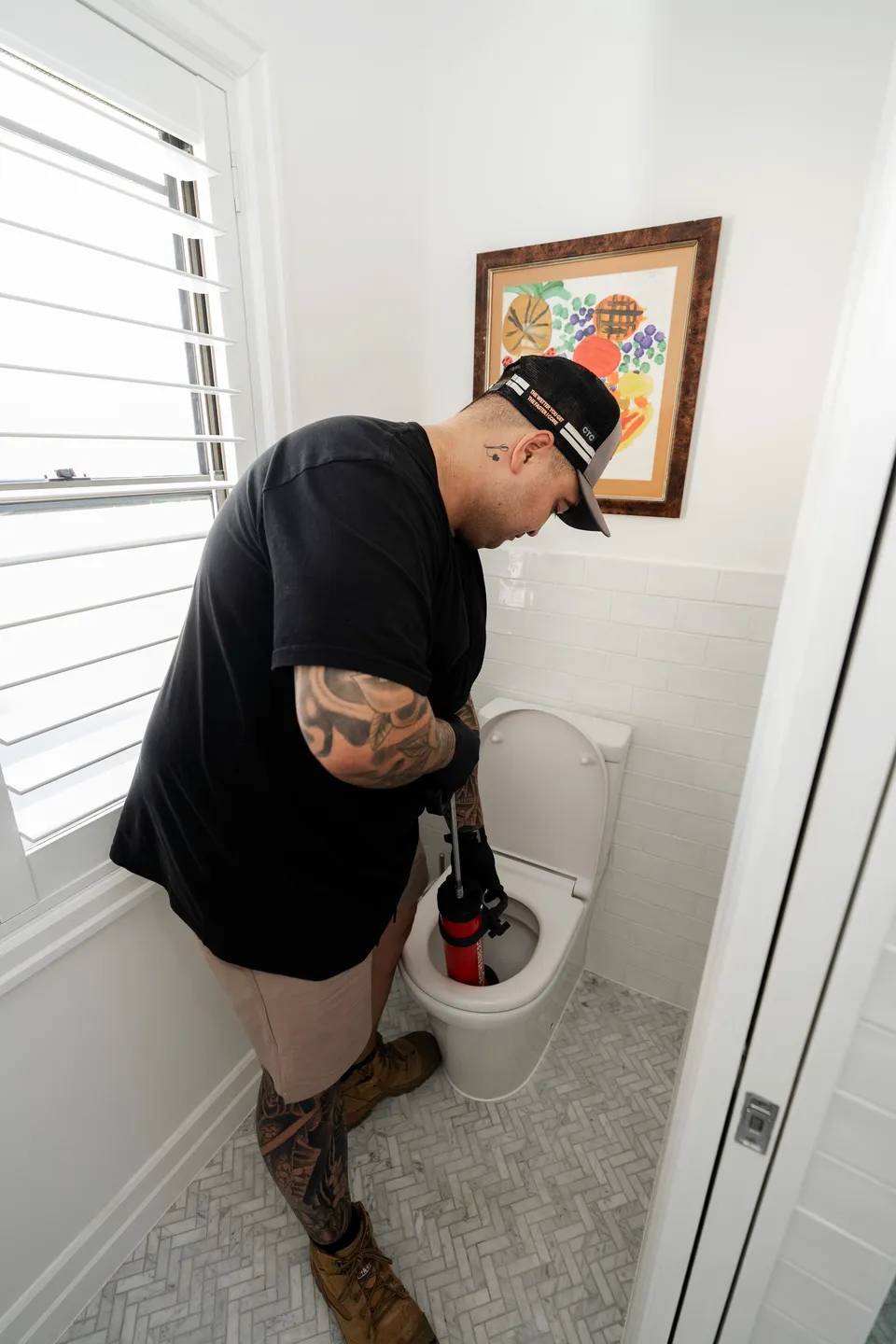
Why the Cistern Never Stops Filling
An inlet valve stuck open, a flush valve seal passing water into the pan, and a level high enough to spill down the overflow: those three explain a cistern that runs on. Each one announces itself differently.
The inlet valve's job is refilling the cistern after a flush. It closes when the float, the part riding on the water, reaches its set level.
What each fault sounds like:
- Hissing or trickling that keeps going once the tank is full: the inlet valve is not closing.
- The cistern topping itself up between flushes, or water tracing down the pan's inner wall: the seal is leaking.
- Water leaving through the overflow, which sometimes shows up as a dripping pipe outside: the fill level has crept past its mark, so the valve or the float needs attention.
The overflow works as a relief route, carrying spare water out of the cistern rather than onto your floor. A level set too high therefore reads as a running pipe instead of a flood.
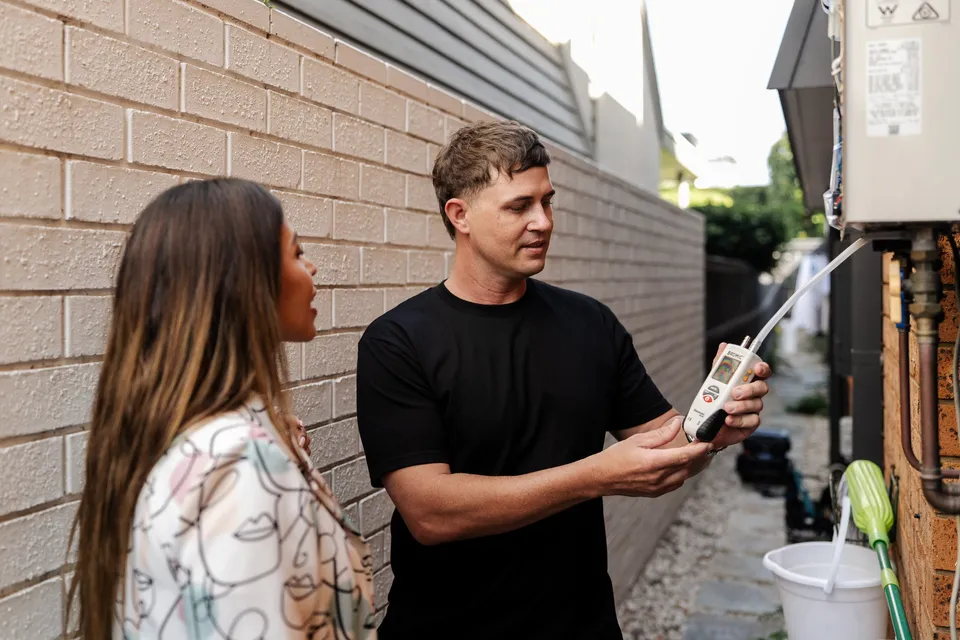
Check for a Silent Leak With Food Colouring
Add food colouring to the cistern water, wait without flushing, then check the bowl: colour there means water is escaping into the pan. Auchenflower Plumbing Services runs this check at the start of every toilet call, because it settles the diagnosis in one step.
The steps in order:
- Lift the lid and drip the colouring in.
- Walk away and leave the loo unflushed while it sits.
- Check the bowl. Any colour arriving there means the cistern is leaking into the pan past the flush valve seal.
- Flush to finish. Ceramic bowls come clean of the colouring, so no mark stays behind.
A clear bowl means the flush valve holds, and the inlet valve and fill level become the next things to check.
No colouring at home? Prop a sheet of dry loo paper high on the pan's inner back wall, above the water. Paper that wets means a trickle is running down the porcelain.

Water Runs but the Cistern Stays Low
Three things usually leave a cistern empty: an inlet valve worn or blocked, a float sitting under its mark, or a partly closed stop tap. Turn the isolating tap fully on before blaming any parts.
There is an odder version of the symptom. Water running while the level never rises points to the flush valve seal releasing it as quickly as the supply delivers it.
Weatherboard Queenslanders in the back streets often keep their original supply branches under the floorboards. Old, narrow pipe can slow a cistern's fill for reasons unconnected to the valve, which is worth knowing before you swap parts.
Where Home Owner Toilet Repairs Stop
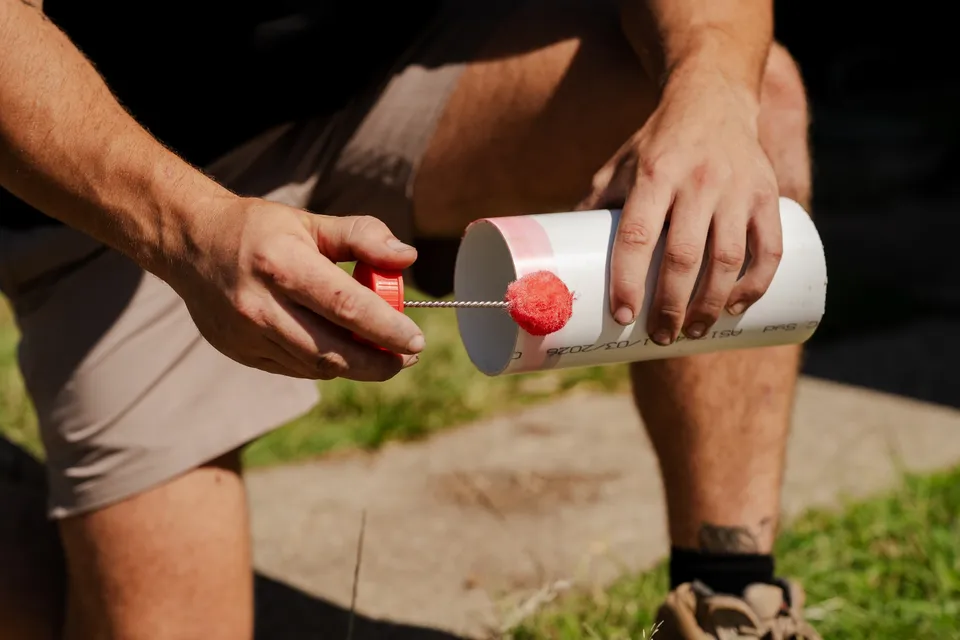
The QBCC, Queensland's building regulator, names three cistern parts as work anyone with the appropriate knowledge and level of skill may repair or replace. Those parts are the drop valve washer, the float valve washer and the suction cup rubber, and the finished work still needs to reach the standards the rules set.
Anything else inside a toilet counts as minor work under Queensland rules, so a QBCC licensee carries it out. No permit applies, and no Form 4 either. That covers inlet valves, flush valve assemblies, buttons, pan connectors and any adjustment beyond the colour check above.
Under the Queensland tenancy rules, the owner or manager looks after repairs, while the tenant reports problems promptly. A running cistern is not on the emergency list, so the repair is routine and belongs in normal maintenance; a loo that blocks or breaks counts as an emergency.
Does the Water Utility Cover a Running Toilet
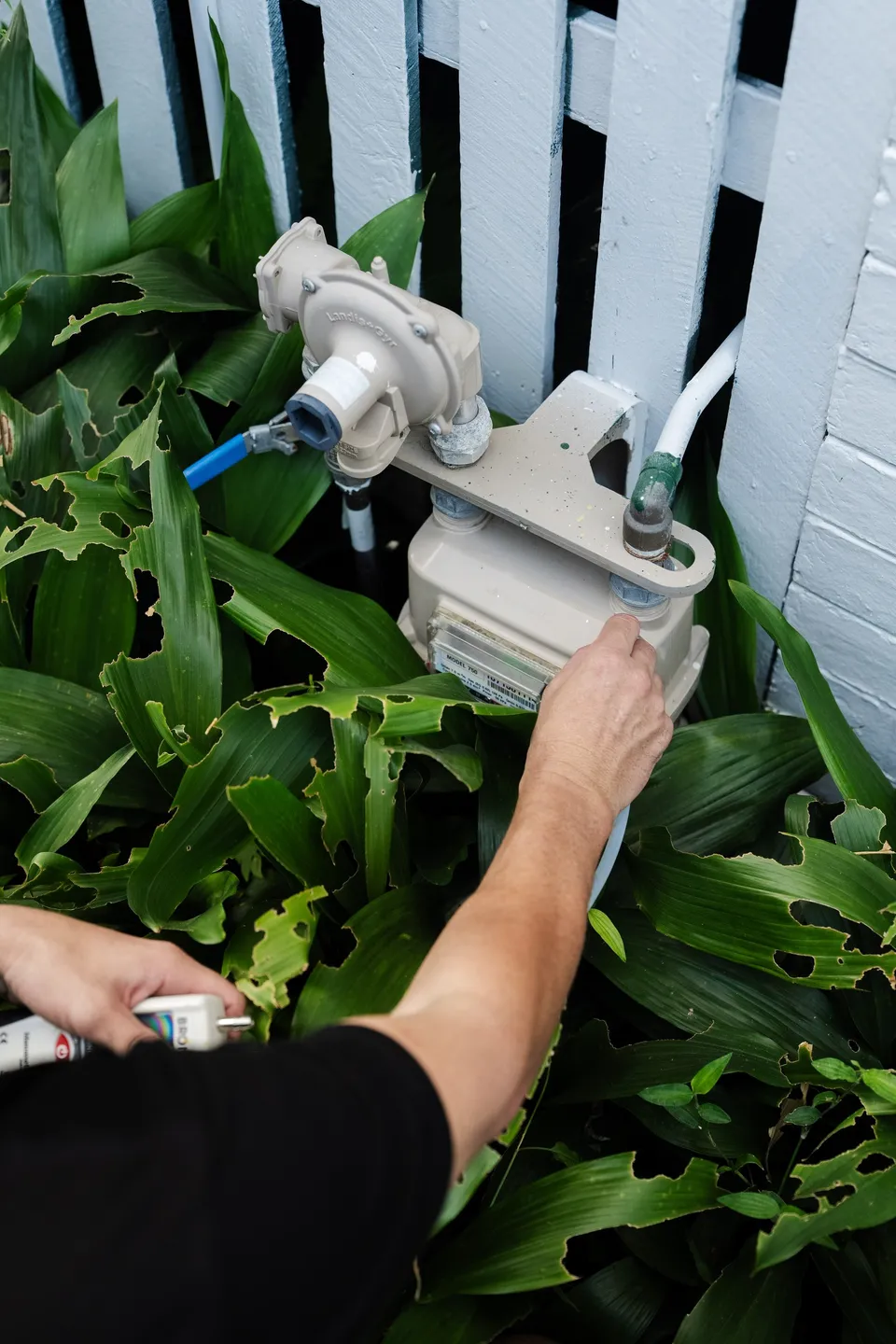
No, Urban Utilities' concealed leak adjustment leaves out water wasted by a leaking cistern, so the loss stays on the property's bill. The scheme was built for hidden pipe leaks, not for fixtures that leak in plain hearing.
Leaks on the property side are the owner's responsibility, along with the losses they cause. A silent cistern leak found late can run for months, which is why the colour test is worth doing the day you first hear the trickle.
When to Call a Plumber
Ring us once the colour test shows a leak, a hiss continues after the refill, or the cistern stays empty with the stop tap fully open. Those jobs sit past the three unregulated parts, so they belong to a licence holder.
Renters pass the fault to the owner or manager the day they notice it. Owners can book toilet repairs in Auchenflower straight away; that page covers leaking bases, weak flushes and the repair-or-replace call.
A running loo wastes water and sleep in equal measure. Both stop once the valve is sorted.
Running Toilet Questions From Auchenflower
Call (07) 3523 6417Why is my toilet cistern not filling up in Auchenflower?
An inlet valve worn or blocked, a float sitting under its mark, or a partly closed stop tap usually leaves a cistern empty. If water runs yet the level never rises, the seal on the flush valve is probably releasing it as quickly as it arrives.
How do I check my cistern for a silent leak?
Drip colouring into the cistern, leave the loo unflushed while you wait, then look at the bowl. Colour turning up means water is escaping past the seal. Flush to finish; the colouring leaves ceramic clean.
Will Urban Utilities cover a running toilet in Auchenflower?
No, Urban Utilities' concealed leak adjustment leaves out water wasted by a leaking cistern. The owner holds responsibility for leaks on the property side and the losses they cause.
Who fixes a running toilet in an Auchenflower rental?
The owner or manager looks after repairs under Queensland tenancy rules, and the tenant reports the fault promptly. A running cistern is routine, so the fix gets done in a reasonable timeframe; a loo that blocks or breaks is an emergency.

Call Us About the Running LooWe'll call you back.
Phone (07) 3523 6417 for a licensed plumber in Auchenflower. We work under QBCC No: 15024607, with flat-rate pricing, no hidden fees and same-day where we can.
To claim your $0 call-out fee, call (07) 3523 6417 today.